What Affects Clothing Manufacturing Cost? A Buyer-Friendly Breakdown

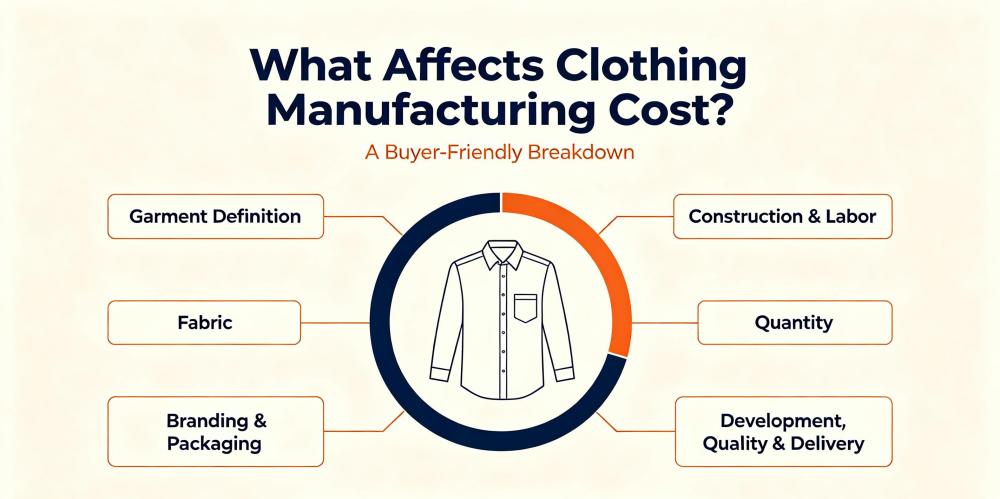
A clothing quote is the result of several connected decisions, not a single price attached to a garment name. Fabric behavior, construction, quantity, branding, packaging, development work and delivery terms can all move the number, so buyers need to compare quotations by scope rather than by headline unit cost alone.
The Garment Definition Sets the Cost Range
The first cost driver is the product itself. A lined dress, a structured blazer and a simple knit top require different material consumption, sewing operations, pressing time and inspection attention even when they are ordered in the same quantity.
A useful what affects clothing manufacturing cost review begins with the style definition: silhouette, fabric, construction, finish, quantity, size range, branding and packing. If one quote assumes a simpler version, the numbers are not genuinely comparable.
Cost inputs that should appear in the brief
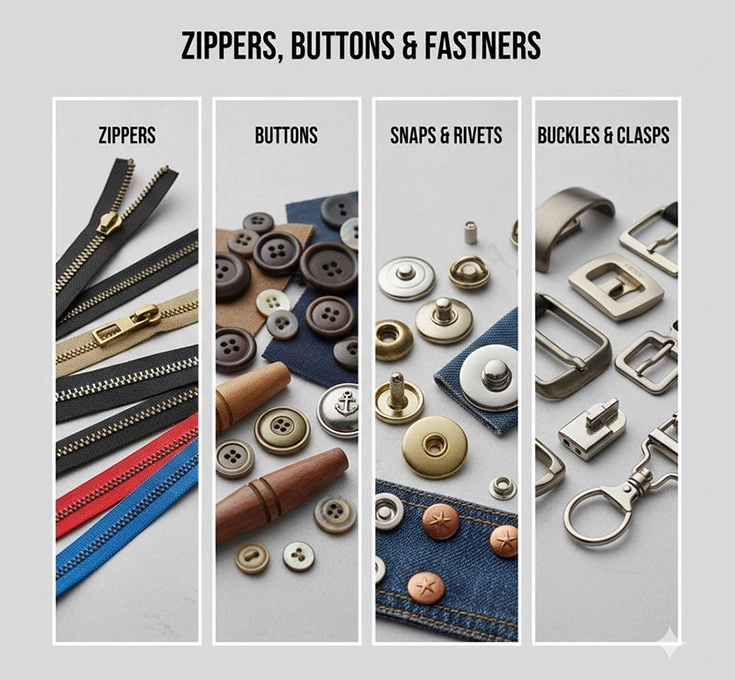
Style and construction details, including lining, closures, pockets and special finishes.
Fabric direction, composition, weight, width, stretch and estimated consumption.
Order quantity by style and color, plus the size range and ratio.
Labels, hang tags, packaging, artwork and any required testing or inspection.
Fabric Usually Carries More Than a Material Name
Fabric cost depends on composition, quality, weight, width, finish, availability and order quantity. A fluid fabric may change cutting yield, a stretch fabric may require different construction and a custom color may add development or approval work.
The buyer should compare fabric options by garment performance as well as price. Replacing a suitable fabric with a cheaper one can change drape, opacity, recovery, shrinkage or perceived quality, creating costs later in sampling, returns or rework.
Kaou You Apparel can work with cotton, linen, polyester, nylon, denim, chiffon, suiting and stretch blends, with sourcing and fabric development coordinated around the garment brief. The final cost still depends on the approved material and the style it must support.
Fabric questions behind a quote
Construction and Techniques Add Labor
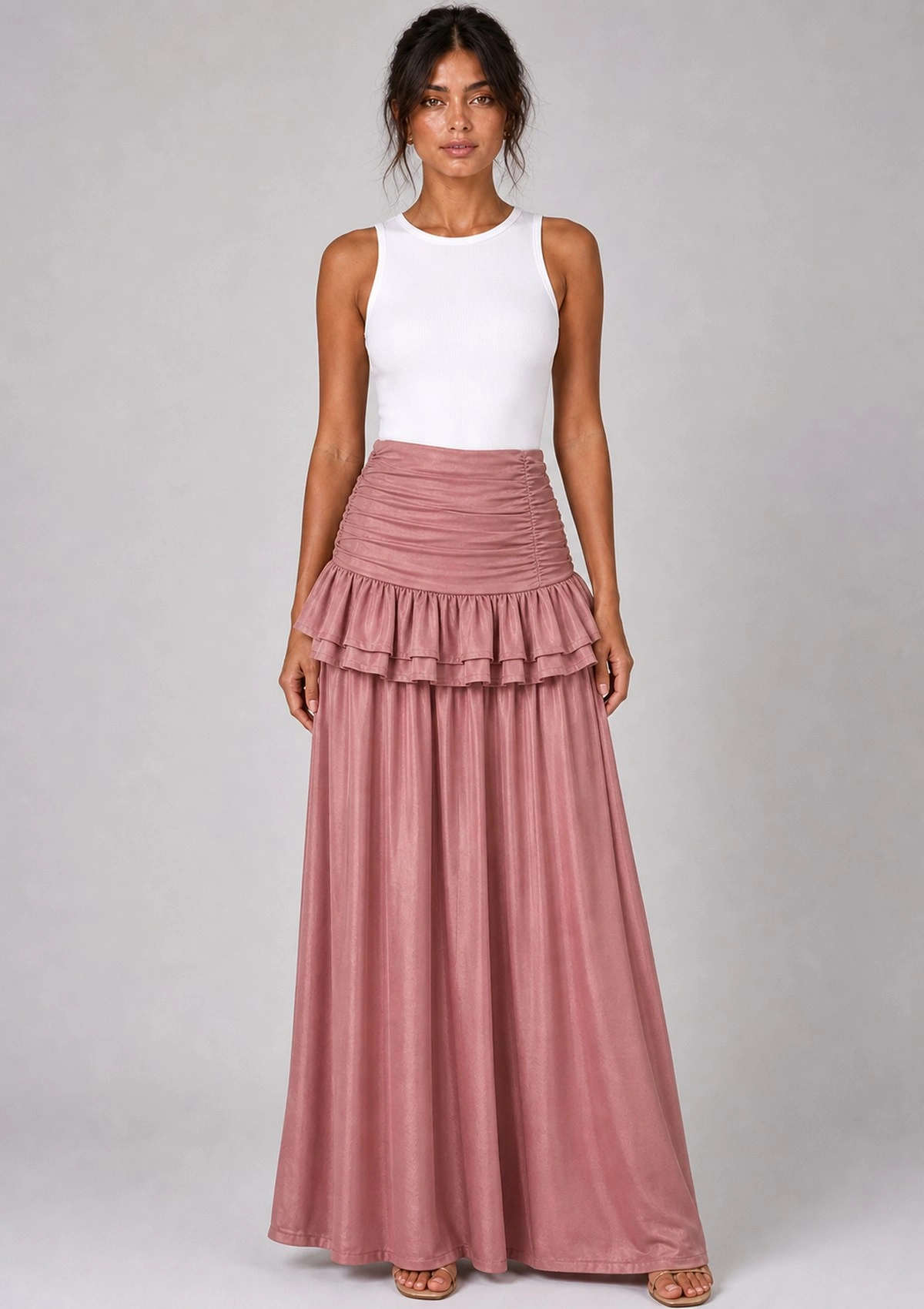
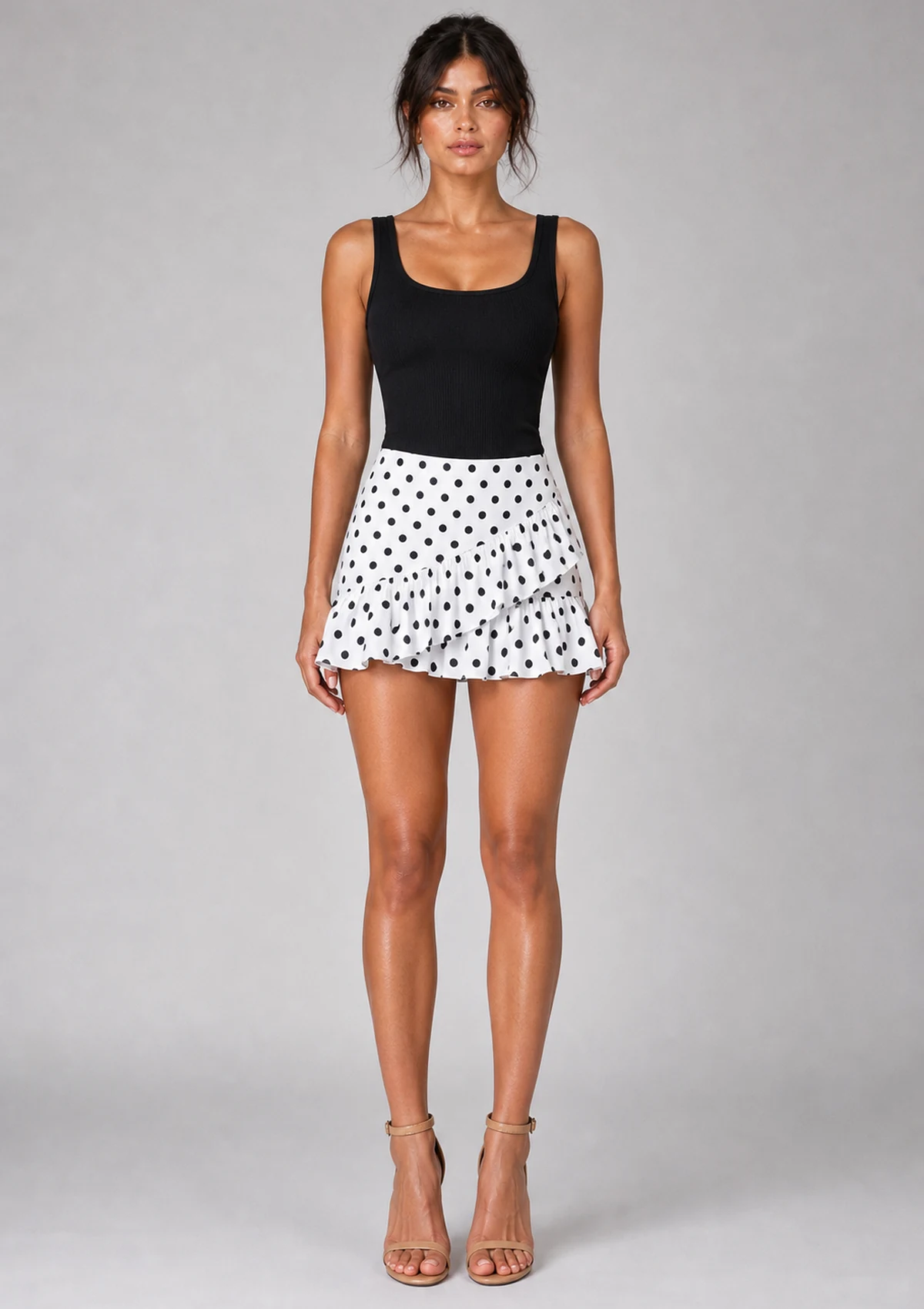
Sewing operations are a major part of a garment cost breakdown. Multiple panels, gathers, pleats, ruffles, topstitching, binding, lined interiors, closures and detailed pressing each add time or require more controlled workmanship.
Special techniques such as printing, embroidery, pleating, appliqué or washing can add process steps and approval points. A buyer should identify whether the technique is required, optional or still being evaluated when requesting prices.

Quantity Changes the Economics of the Order
Order quantity affects how development, cutting setup, material purchasing and production time are spread across units. A larger confirmed quantity may improve unit economics, while a small-batch order can carry more development and setup weight per garment.
Quantity should be stated by style and color rather than only as a total collection number. Fabric and trim availability may follow their own minimums, and a large total divided into many colors can create a different cost structure from one concentrated color order.
A garment cost breakdown should therefore show whether the quoted quantity is per style, color or total order. That detail helps the buyer understand why two apparently similar projects receive different unit prices.
Branding and Packaging Are Real Production Work
Labels, care labels, hang tags, stickers, bags and cartons add material and handling cost. The effect is not limited to the purchase price of the components because the team must also attach, check, fold, pack and identify them correctly.
Packaging can be simple or highly specific. Individual bags, branded inserts, special folding, barcode labels, carton ratios and protective methods may each change the packing operation and the space required for shipment.
Development, Quality and Delivery Complete the Picture
Sampling and pattern development can influence the total project cost before bulk production begins. Revision rounds, material tests, color approvals, custom trims and pre-production confirmation are easier to price accurately when the buyer states the expected development route.
Quality requirements can also change the scope. Material inspection, in-process checks, final garment inspection, packing review and third-party inspection each require time or coordination, especially when the buyer has a detailed acceptance standard.
Freight is commonly separate from the ex-factory garment price. Express, air and sea options create different landed-cost outcomes, so the buyer should identify the delivery country, timing and preferred shipping basis before comparing a final project budget.
What a comparable quote should clarify
Whether fabric and trims are included and which material version is assumed.
Whether sampling, pattern work, testing, inspection and packaging are included.
The quantity basis, size ratio, currency, trade term and delivery scope.
Any exclusions, surcharges or conditions that could change the final price.
Lower Cost by Reducing Uncertainty First
The most reliable cost reduction often comes from clearer decisions. A complete brief, an approved material direction, a realistic color plan and a controlled packaging specification help the manufacturer price the same product the buyer intends to order.
The main custom clothing production cost factors should be reviewed together because a change in fabric, trim or packaging can affect material sourcing, labor and the final packing method at the same time.
Design simplification can reduce labor, but it should protect the garment’s purpose. Removing a lining, changing fabric weight or reducing a finish may lower the quote while also changing fit, comfort or brand positioning, so every saving should be evaluated against the final product promise.
A Quote Is Useful When Its Assumptions Are Visible
Compare clothing manufacturing quotes by the assumptions behind them: exact fabric, construction, quantity, branding, packaging, inspection and shipping scope. That approach lets the buyer identify a genuinely competitive offer instead of choosing the lowest number created by missing information.
Share the style details, quantity and cost priorities so Kaou You Apparel can review the relevant production variables together. You can contact us about a clothing manufacturing quote for a project-specific discussion.
FAQ
What affects clothing manufacturing cost the most?
The largest drivers commonly include fabric, construction labor, order quantity, special techniques, branding, packaging and the development or inspection scope. Their relative impact changes with the garment style and order requirements.
Why does clothing manufacturing cost vary between suppliers?
Quotes may use different fabrics, construction assumptions, labor scope, quantity bases, packaging standards, quality requirements or shipping terms. Ask each supplier to identify inclusions and exclusions before comparing prices.
Does a larger clothing order always have a lower unit cost?
A larger order may spread setup and development work across more units, but the result depends on color splits, fabric minimums, complexity, materials and production planning. Total quantity alone does not guarantee a lower price.
How can a brand reduce clothing production cost without lowering quality?
Improve the brief, consolidate avoidable colors, select a suitable available fabric, simplify labor-heavy details where they do not add value and define packaging clearly. Review each change against fit, durability and brand presentation.
What should be included in a clothing manufacturing quote?
The quote should identify the style basis, fabric and trims, quantity, size ratio, branding, packaging, sampling, quality scope, trade term, delivery basis and exclusions. A visible assumption list makes the number easier to evaluate.