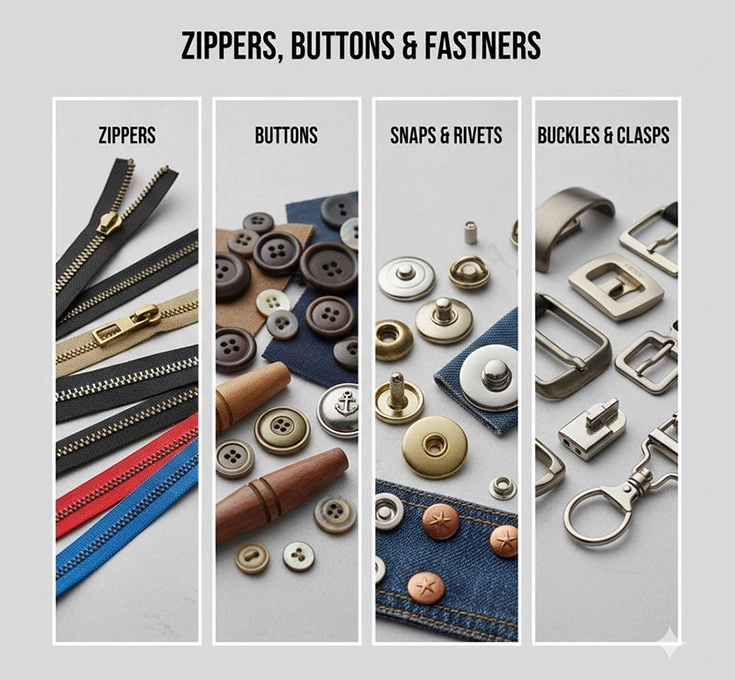
How to Work With a Clothing Manufacturer: Step-by-Step Guide

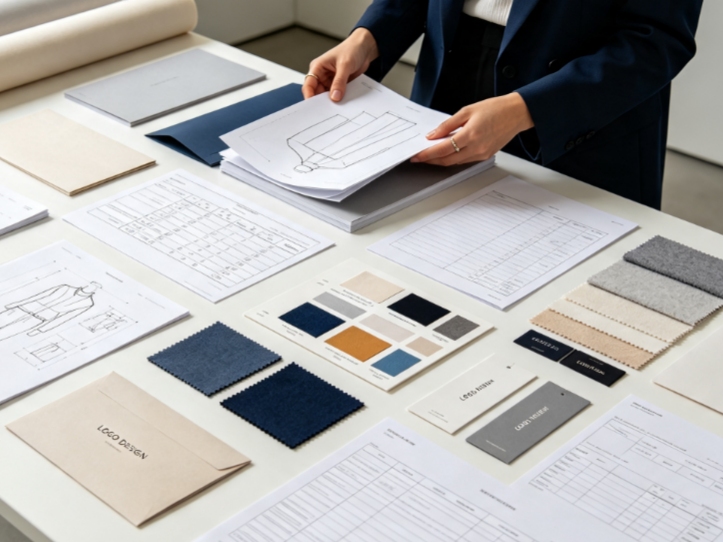
Introduction: Turning a Clothing Idea Into a Production-Ready Collection
Starting a clothing brand requires more than a creative idea. The real challenge lies in turning designs into garments that meet quality standards, target market needs, and production demands. Understanding how to work with a clothing manufacturer helps brands build a clear process from concept development to final delivery.
At Kaou You Apparel, we support fashion brands, boutiques, and private-label buyers through every stage of development. We assist from fabric selection and sample creation to bulk manufacturing and quality inspection.
Understand What a Clothing Manufacturer Can Support
Working with clothing manufacturer partners involves more than simply placing an order. A reliable manufacturer should support product development, production planning, and quality management throughout the entire project.
Different manufacturers provide different levels of service. Some focus only on bulk production. Others offer OEM and ODM solutions. These include design adjustments, pattern development, material sourcing, and customization.
For growing fashion brands, the most valuable manufacturing partner is usually one that can manage the complete clothing manufacturing process. This includes several important areas.
| Manufacturing Stage | Key Support |
| Product development | Pattern making, technical review, material suggestions |
| Sampling | Prototype creation, fitting adjustments, sample revisions |
| Customization | Labels, packaging, colors, size grading |
| Production | Cutting, sewing, finishing, packaging |
| Quality control | Material inspection, in-line inspection, final checking |
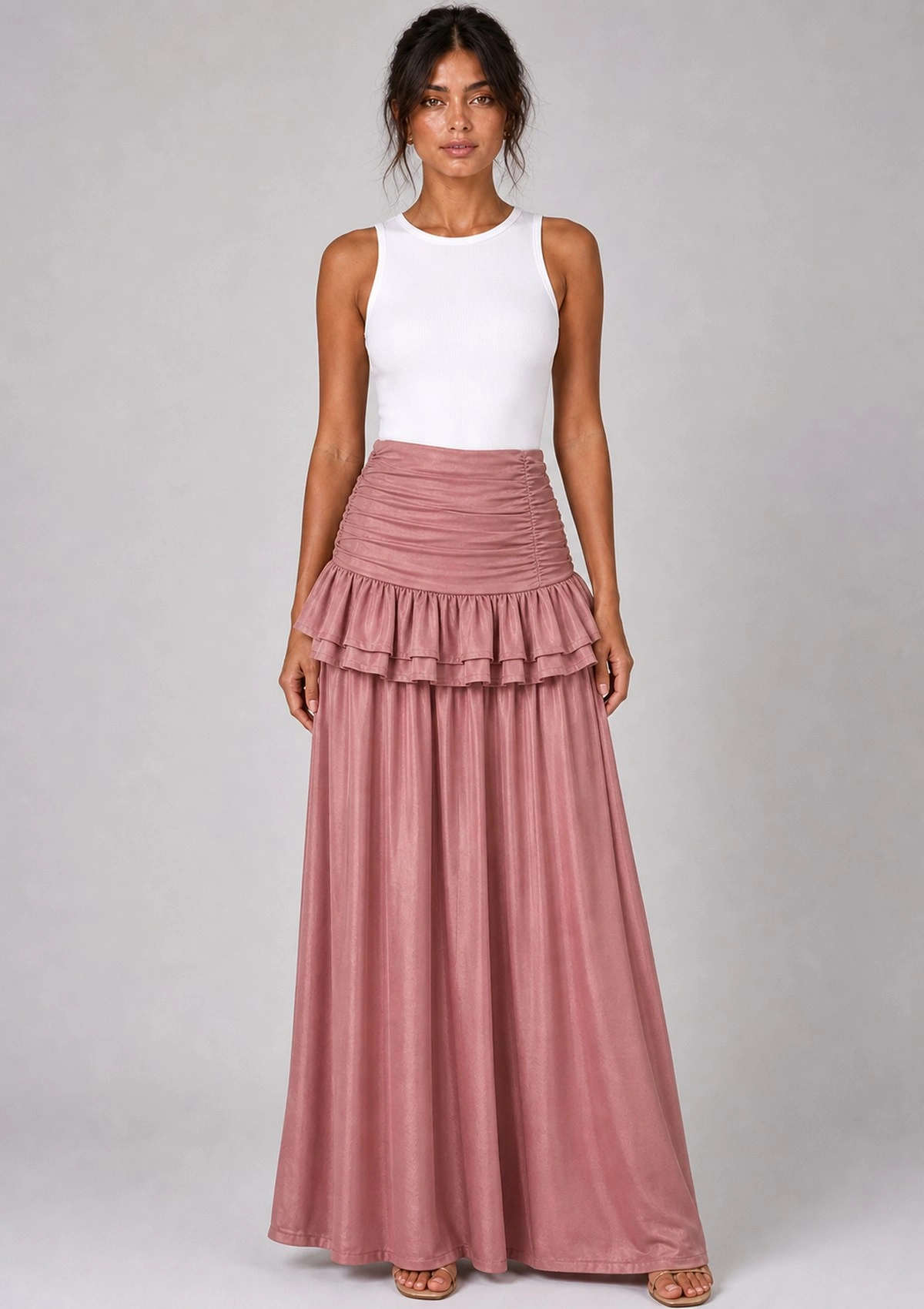
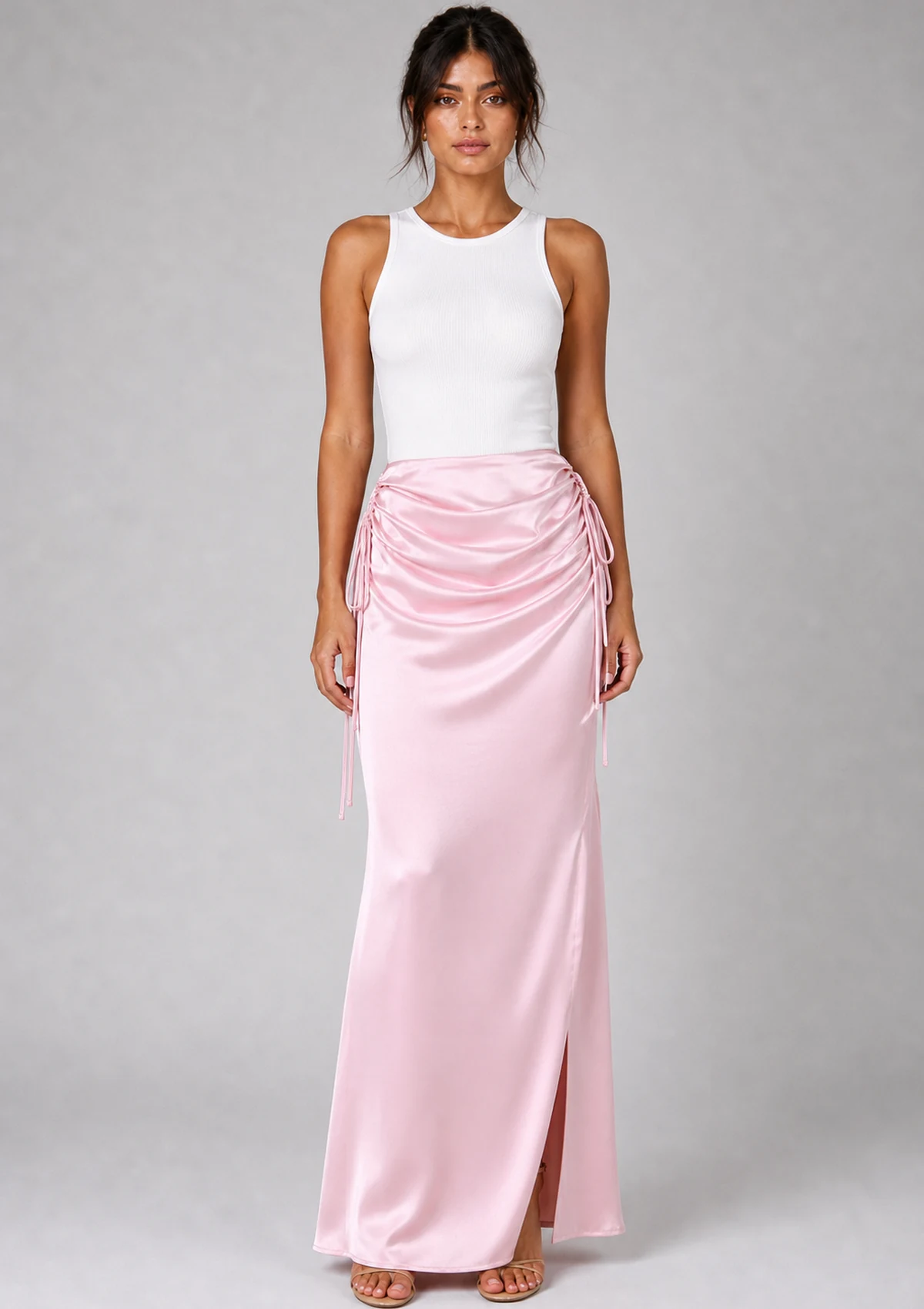
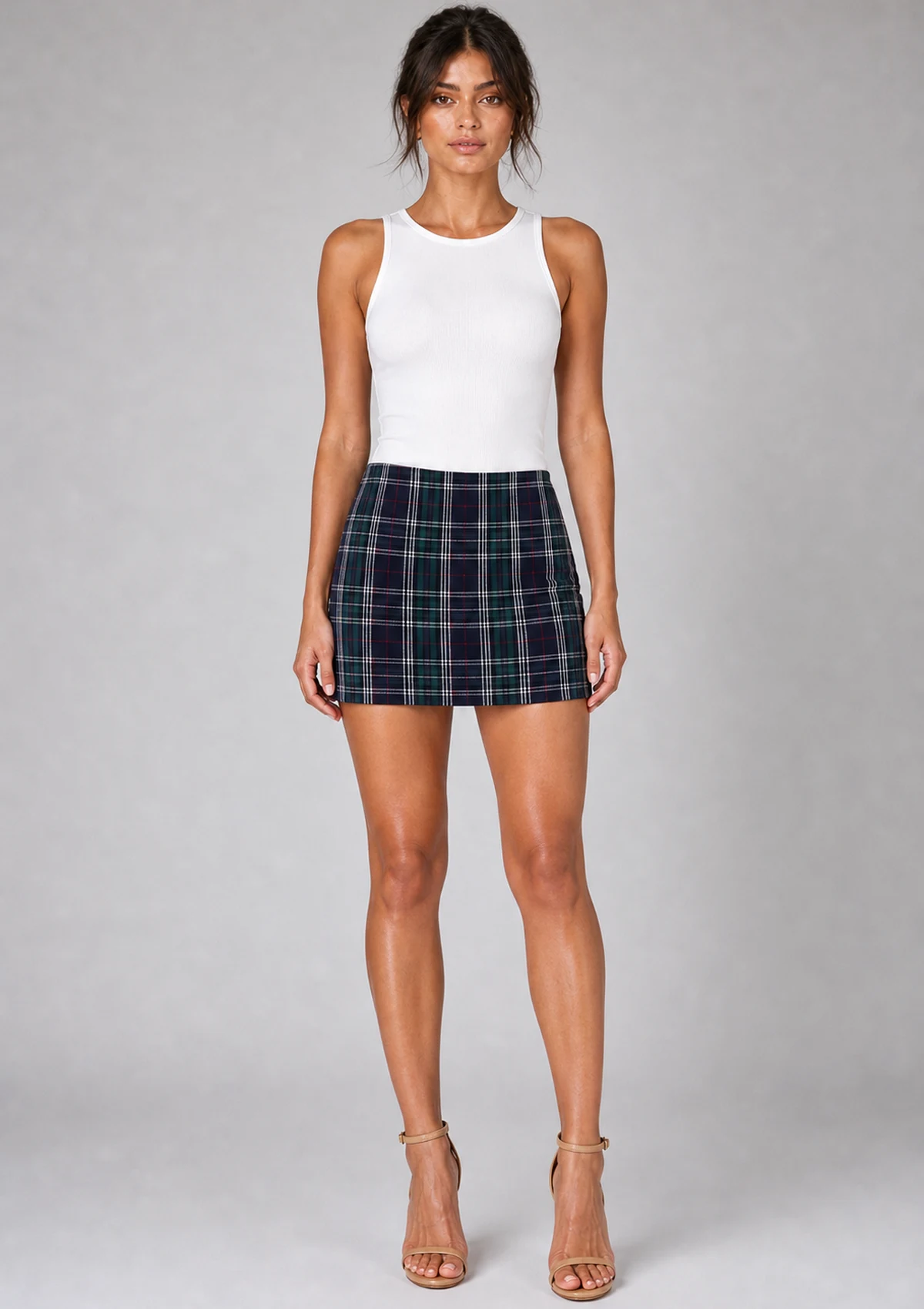
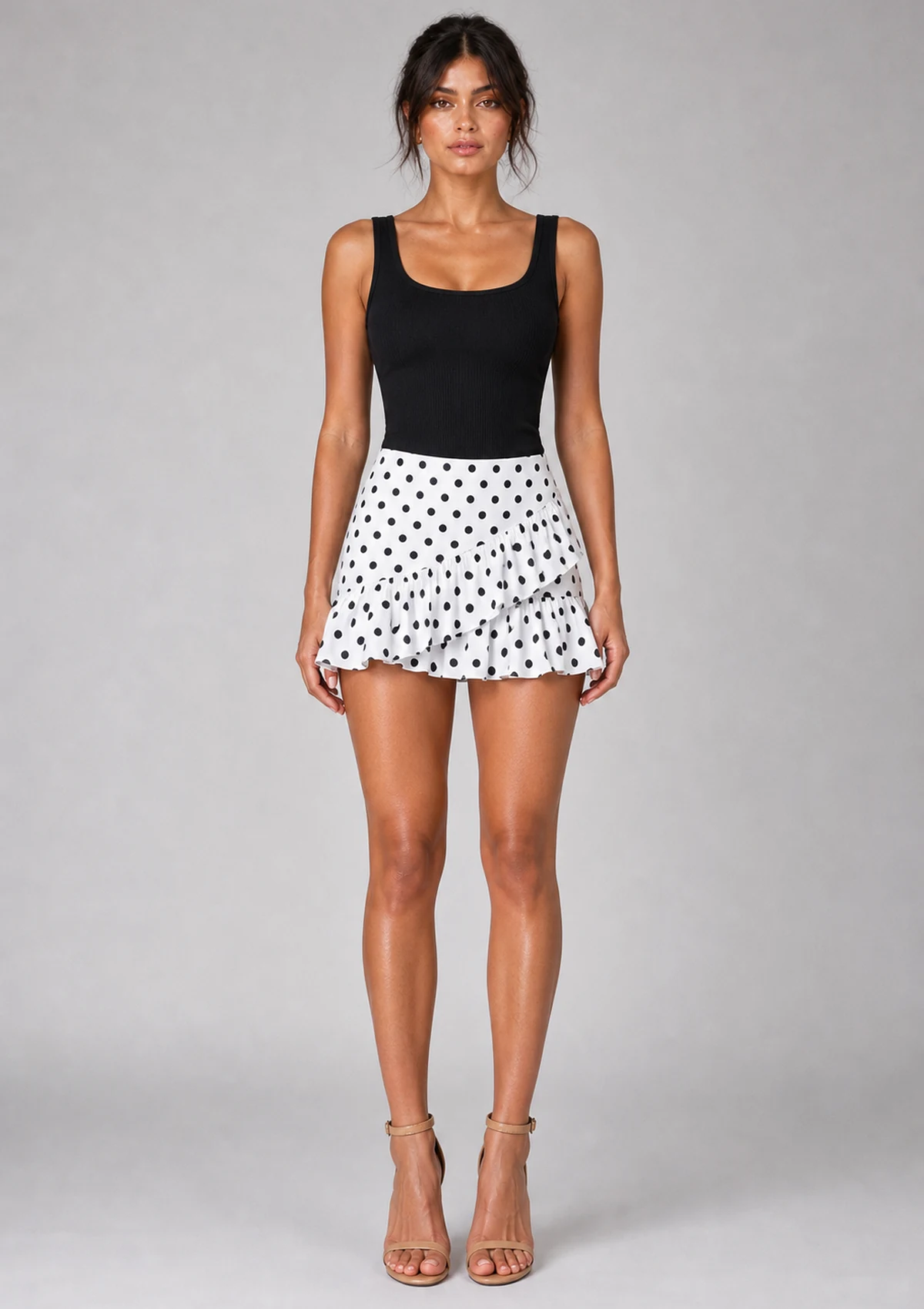
Kaou You Apparel specializes in women’s fashion manufacturing. We support boutique brands, wholesalers, and private-label projects through OEM/ODM workflows. These are based on reference images, samples, sketches, and technical packages.
Prepare Your Product Information Before Contacting a Manufacturer
Clear product information improves communication. It also reduces unnecessary revisions. Before contacting a clothing manufacturer, brands should prepare as much product information as possible.
A complete production brief usually includes several items.
- Product sketches or reference images
- Tech packs
- Size charts
- Fabric requirements
- Color references
- Logo and label details
- Packaging requirements
- Target quantity and delivery schedule
A tech pack is especially important. It turns creative ideas into clear production instructions. It allows manufacturers to evaluate construction details, material requirements, and possible production challenges.
For brands without complete technical documents, experienced manufacturers can often provide development support. At Kaou You Apparel, product development can start from design sketches, physical samples, or customer-provided specifications. This approach allows buyers to move from concept to production more efficiently.
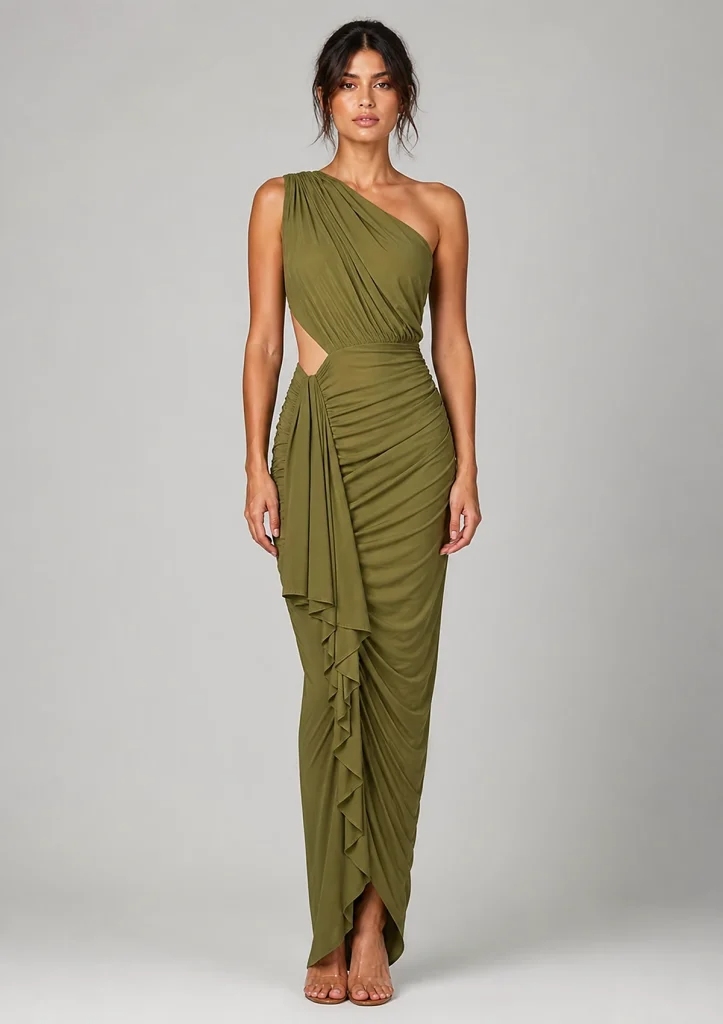
Requesting a Quote: What Brands Should Discuss With Manufacturers
A clothing quotation should include more than the unit price. Understanding the factors behind pricing helps brands make better purchasing decisions.
The final manufacturing cost is affected by several elements.
| Cost Factor | Impact on Production |
| Fabric selection | Determines material cost, appearance, and performance |
| Garment construction | Complex designs require more labor and production time |
| Order quantity | Larger quantities usually improve production efficiency |
| Custom details | Printing, embroidery, trims, and special finishes add cost |
| Packaging | Custom packaging affects overall order investment |
When comparing manufacturers, brands should evaluate production capability, communication quality, lead time, and quality systems. They should not choose based only on the lowest price.
A lower quotation may create additional costs later. This can happen if it leads to inconsistent sizing, poor workmanship, or delayed delivery.
Evaluate Manufacturing Feasibility Before Production
A design may look simple but still create production challenges. A professional manufacturer reviews whether the design, fabric, and construction method can work together before sampling begins.
The feasibility review normally covers several areas.
Design and Construction Review
Manufacturers analyze garment structure, sewing methods, fabric behavior, and finishing requirements. For example, stretch fabrics require different handling compared with woven materials. They affect fitting, recovery, and sewing stability.
Material and Production Planning
Fabric availability, minimum order requirements, and production timeline should be confirmed before moving forward.
Kaou You Apparel maintains long-term cooperation with fabric and trim suppliers. We provide material sourcing support for different categories. These include knit fabrics, woven fabrics, denim, chiffon, and suiting materials.
Sample Development: Turning Designs Into Physical Products
Sampling is one of the most important steps when working with a clothing manufacturer. A sample allows brands to check whether the design matches expectations. This happens before investing in bulk production.
The sampling process usually includes two main parts.
Pattern Development and Sample Making
Manufacturers create patterns based on technical information, reference garments, or design concepts. The first sample is used to evaluate construction, proportions, and overall appearance.
Sample Review and Adjustments
Brands should carefully review several points.
- Measurements
- Fabric hand feel
- Stitching quality
- Fit and silhouette
- Functional details
Changes during sampling are normal. Adjusting the pattern or materials before bulk production reduces risks. It also prevents expensive corrections later.
Kaou You Apparel operates its own pattern room and sample development workshop with experienced pattern makers. Samples can be developed based on specification sheets, reference images, or physical samples. Revisions are typically completed within a short development cycle.
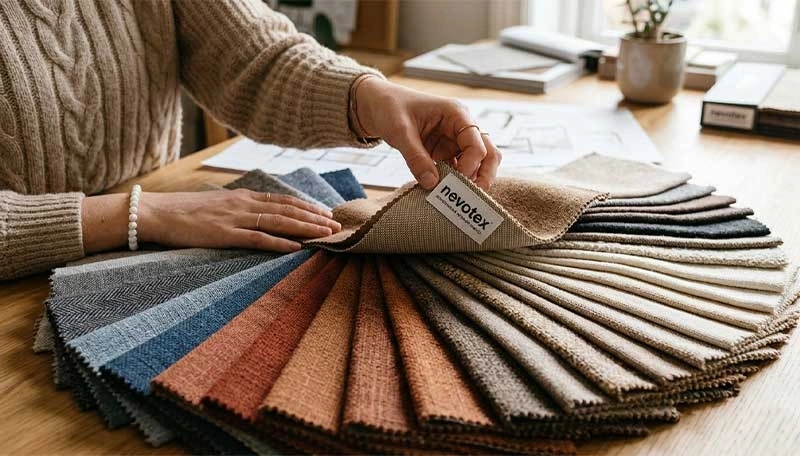
Confirm Samples Before Starting Bulk Production
Sample approval is the transition point between product development and manufacturing. Brands should confirm every important detail before production begins.
The final approval process should include several items.
| Confirmation Item | Details |
| Approved sample | Final appearance and construction reference |
| Measurements | Size chart and grading standards |
| Materials | Fabric, trims, colors, accessories |
| Branding | Labels, hangtags, packaging |
| Quality requirements | Inspection standards and acceptance criteria |
Clear confirmation avoids misunderstandings between brands and manufacturers during production.
Bulk Production: Managing the Manufacturing Process
After sample approval, production moves into the manufacturing stage. A professional factory follows a structured workflow to maintain consistency.
The main production stages include several steps.
- Fabric inspection
- Cutting
- Sewing
- Printing or embroidery
- Finishing
- Quality inspection
- Packaging
Production management is especially important for growing brands. Delays or quality problems can affect sales plans and customer relationships.
Kaou You Apparel manages cutting, sewing, finishing, and packaging within its own production system. The factory operates multiple production lines. It supports both small-batch orders and larger production requirements.
Quality Control Throughout Clothing Production
Quality control should not only happen at the end of production. A reliable manufacturer applies inspection procedures throughout the manufacturing process.
Important QC stages include several checks.
| QC Stage | Inspection Focus |
| Material inspection | Fabric quality, color, defects |
| Pre-production checking | Sample confirmation and production preparation |
| In-line inspection | Sewing, measurements, workmanship |
| Final inspection | Finished garments and packaging |
Common quality issues include uneven stitching, incorrect measurements, color differences, and fabric defects.
Kaou You Apparel applies a multi-stage quality control system. It covers raw material inspection, pre-production sample confirmation, first-piece inspection, in-process checking, and final inspection before shipment.
Shipping and Building Long-Term Manufacturing Partnerships
The manufacturing process does not end when garments are completed. Proper shipping preparation and post-delivery communication are also important parts of supplier cooperation.
Before shipment, brands should confirm several details.
- Packing requirements
- Carton information
- Shipping documents
- Delivery schedule
Long-term partnerships allow manufacturers to better understand brand requirements. They also help improve future production efficiency.
Kaou You Apparel provides continuous communication throughout sampling, production, and delivery. This helps buyers maintain visibility during the entire order process.
How to Choose the Right Clothing Manufacturer for Brand Growth
Choosing a manufacturer is a strategic decision for any fashion business. The right partner should provide stable production, technical support, and reliable communication.
Key evaluation factors include several areas.
| Evaluation Area | What Brands Should Check |
| Experience | Industry background and product expertise |
| Production capability | Factory size, equipment, capacity |
| Development ability | Sampling and customization support |
| Quality management | Inspection process and standards |
| Communication | Response speed and project management |
A manufacturer that understands both creative design and production requirements can help brands develop products more efficiently. It also helps reduce manufacturing risks.
Start Your Clothing Manufacturing Project With Professional Support
If you are preparing a new collection, private-label line, or boutique clothing project, you can contact Kaou You Apparel for production consultation. You may upload your design files or request a quotation through our official website.
Our team can support product evaluation, sample development, customization, and bulk production planning based on your requirements.
FAQ
What is the process of working with a clothing manufacturer?
The typical clothing manufacturer process includes product preparation, quotation, feasibility review, sampling, sample approval, bulk production, quality inspection, and shipment. Each stage helps ensure the final garments match the brand’s expectations.
How do I choose the right clothing manufacturer for my brand?
Brands should evaluate manufacturing experience, production capacity, customization ability, quality control systems, and communication efficiency. A suitable manufacturer should match both current order needs and future growth plans.
What information should I provide when contacting a clothing manufacturer?
Brands should provide product designs, reference images, tech packs, fabric requirements, size charts, customization details, expected quantity, and delivery requirements whenever possible.
How long does clothing sample development usually take?
Sample timelines depend on product complexity, material availability, and revision requirements. Manufacturers with dedicated development teams can usually complete samples faster because pattern making and adjustments are handled internally.
Can a clothing manufacturer help with private-label production?
Yes. Many OEM/ODM manufacturers support private-label services. These include custom labels, packaging, size grading, fabric selection, and product adjustments based on brand requirements.